Mandala 3D SVG Shapes: A Designer’s Asset Review
First Impressions: Evaluating Visual Depth for Client Work
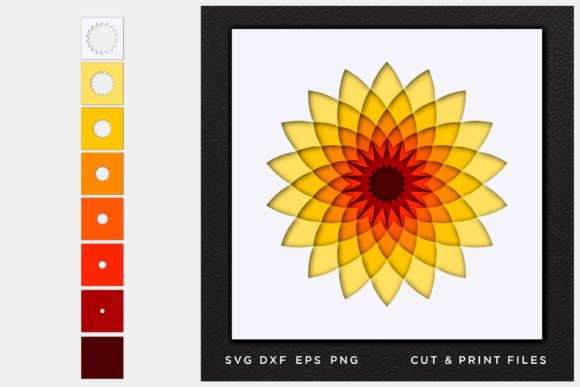
When sourcing a graphic design asset for a high-stakes client project, my primary filter is always versatility combined with technical precision. Upon reviewing the Mandala 3D Multi Layer Cut File, the immediate standout feature is the sophisticated interplay of depth and symmetry. Unlike flat vector art that can sometimes feel sterile or overly digital, this asset possesses a tactile quality that mimics physical layering. For a recent rebranding project involving a boutique wellness spa, I needed visuals that communicated tranquility and organic structure without relying on clichéd leaf motifs. This file delivered that specific mood instantly.
The visual weight of these Shapes feels balanced, avoiding the common pitfall where intricate details become muddy when scaled. As a professional designer, I look for assets that respect negative space, and this mandala does exactly that. It creates a focal point that feels intentional rather than decorative filler. The inclusion of multiple formats—SVG, DXF, EPS, and PNG—signals that this is a serious tool for commercial design workflows, not just a casual craft file. Since this is an instant digital download item with no physical shipping, the ability to immediately inspect clean vector nodes and transparent backgrounds is crucial for maintaining project momentum.
Integrating Intricate Layers into Brand Identity Systems
In the context of brand identity and logo design, this asset serves best as a supporting graphical element rather than a standalone logomark. During the concept phase for the wellness brand, I utilized the mandala as a secondary pattern lockup and a watermark for social media graphics. The 3D layering effect translates exceptionally well to packaging design, specifically for rigid boxes and textured paper stocks where shadow play enhances the perceived value of the product.
For print-on-demand sellers and Etsy shop owners, this file offers significant utility in merchandise creation. I tested the asset on a dark cotton tote bag mockup, and the layered separation allowed for distinct color blocking that elevated the t-shirt design beyond standard screen print aesthetics. However, designers must be mindful of production limitations. While the 3D SVG format is perfect for laser cutting and paper crafting, using it for direct-to-garment printing requires careful color separation to avoid excessive ink saturation. The asset shines brightest when treated as a structural element in editorial design or luxury stationery suites, where the complexity adds narrative value to the handmade business aesthetic.
Optimal Placement Strategies for Marketing Visuals
Determining where to place such a detailed illustration is critical for maintaining visual hierarchy. Through testing, I found that the Mandala 3D Multi Layer Cut File performs optimally in large layout areas. It acts as an excellent hero graphic for website headers or as a full-bleed background for event invitations. In these contexts, the intricacy invites the viewer to linger, increasing engagement time. For Pinterest pins and Instagram carousels, cropping the mandala to focus on specific quadrants creates unique, abstract textures that support modern design trends without overwhelming the text overlay.
This asset is also a powerhouse for Cricut projects and physical prototyping. When creating product mockups for a client presentation, I used the cut file to create actual paper prototypes photographed in natural light. This bridged the gap between digital concept and tangible reality, significantly boosting client confidence. For digital sellers creating Canva templates, the PNG version with transparency allows for easy drag-and-drop functionality, making high-end design accessible to non-designers while retaining professional polish. The key is leveraging the asset's dimensionality to create contrast against flat typography and solid color fields.
Navigating Constraints in Minimalist and Corporate Layouts
Despite its strengths, this asset requires restraint. It should be used carefully in minimalist branding or strict corporate environments where visual noise can detract from messaging. During a test run for a financial tech startup, the mandala felt too ornate and emotionally charged, conflicting with their need for streamlined data visualization. Similarly, at very small sizes—such as favicons or tiny footer logos—the 3D layers collapse visually, resulting in a blurred or cluttered appearance that harms professionalism.
Designers must also evaluate contrast ratios rigorously. On complex photographic backgrounds, the intricate edges of the mandala can get lost, reducing readability and impact. It works poorly behind body text due to its density; reserve it for margins, headers, or dedicated graphical zones. For small business branding targeting a Gen Z demographic accustomed to brutalist or neo-minimalist aesthetics, this traditional symmetry might feel dated unless subverted through unexpected color grading or glitch effects. Always ask if the ornamentation supports the core message or merely decorates it. If the latter, consider simplifying the layers or increasing opacity to recede it into the background.
Technical Validation and Pre-Press Checklist
Before committing this design bundle to a final deliverable, a rigorous technical audit is non-negotiable. My standard workflow includes testing the SVG design in both Adobe Illustrator and free alternatives like Inkscape to ensure node integrity across platforms. I always preview the asset in black and white first; if the depth relies solely on color rather than luminance values, it will fail in single-color applications like embossing or vinyl cutting. Check the PNG transparency meticulously—some files retain faint artifacts around edges that become visible on dark backgrounds in web design.
- Typography Pairing: Test against serif fonts for a classic look and geometric sans-serifs for modern contrast. Avoid highly ornate script fonts that compete with the mandala’s complexity.
- Scale Testing: Print at 100% and 25% size to verify line weight stability. Ensure details do not merge when scaled down for sticker design.
- Licensing Verification: Confirm the commercial license terms explicitly. Verify if the asset can be used in end products for sale or only for personal/client branding. This protects your agency and client from legal exposure.
- Mockup Reality Check: Never present the raw file to a client. Always visualize it within a realistic product mockup to gauge emotional resonance and scale accuracy.
- File Format Audit: Ensure the EPS opens cleanly in legacy software if working with older print shops, and verify DXF compatibility for specific cutting machine firmware.
Ultimately, the Mandala 3D Multi Layer Cut File is a robust creative design tool when applied with strategic intent. It bridges the gap between digital precision and artisanal warmth, making it invaluable for brands seeking to convey craftsmanship. By respecting its technical boundaries and leveraging its dimensional strengths, designers can transform this digital product from a simple download into a cornerstone of sophisticated marketing visuals. Whether you are building a creative marketplace portfolio or executing a seasonal campaign, this asset provides the structural elegance necessary to elevate commercial work above generic template solutions.