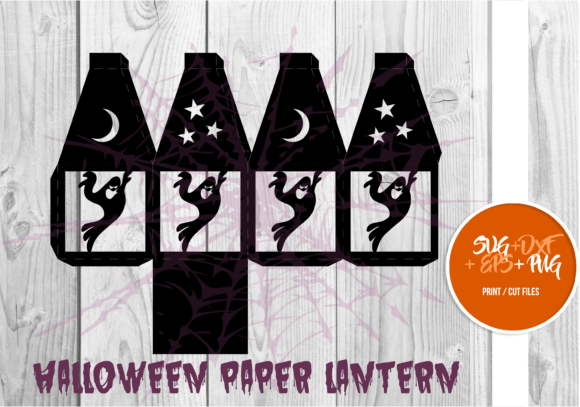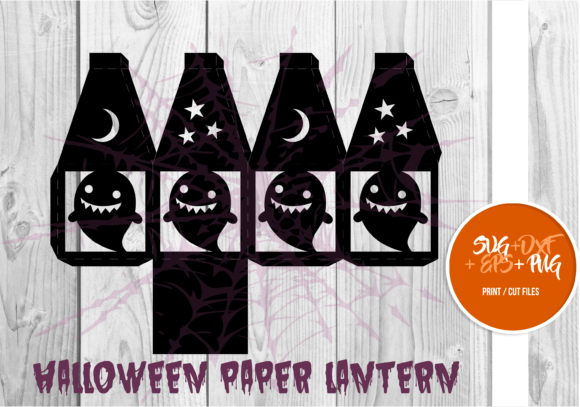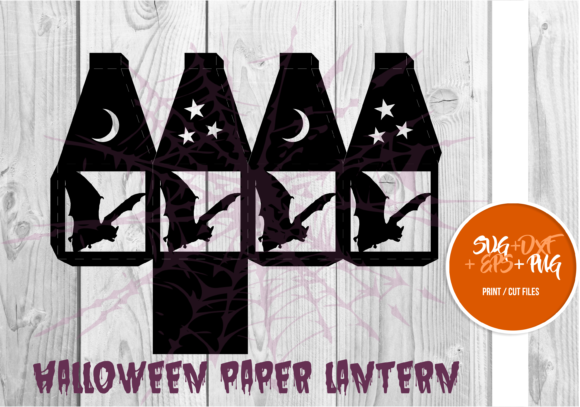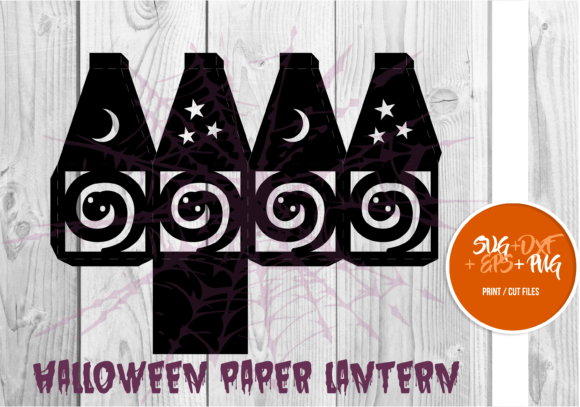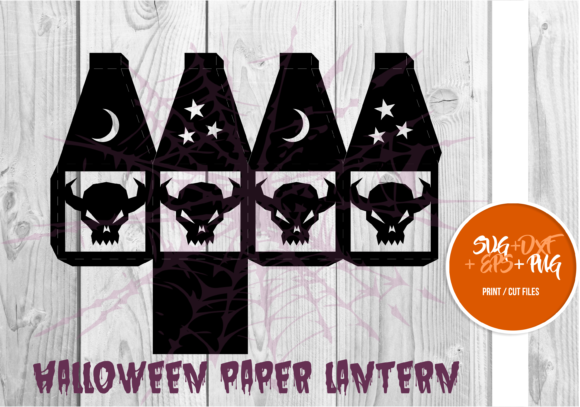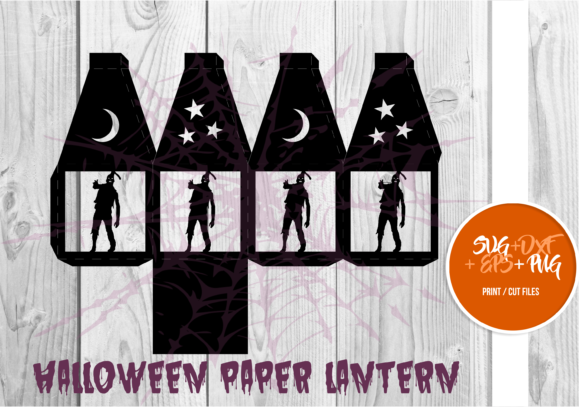
Halloween Paper Lantern Series 087: A Maker’s Review
As a designer who constantly bridges the gap between digital assets and tangible handmade products, I approach every new file with a specific question: will this actually work in production? When evaluating Halloween Paper Lantern Series 087, my perspective shifts from simple appreciation to practical application. This design is categorized under Shapes and listed as a 3D SVG, originally intended for paper crafting on an 8.5 x 11.7 sheet. However, for embroidery designers, Etsy sellers, and apparel decorators, the real value lies in translating those clean vector lines into stitch data. After reviewing the geometry and aesthetic flow of this lantern, I see significant potential for holiday embroidery projects, provided you understand how to adapt a paper-first asset for needle and thread.
First Impressions: Mood and Structural Integrity
The visual personality of Halloween Paper Lantern Series 087 strikes a balance between whimsical and structured. Unlike chaotic or overly dense Halloween graphics, this lantern possesses a deliberate symmetry that translates beautifully to machine embroidery. The mood is nostalgic yet crisp, making it suitable for both traditional decor and modern boutique merchandise. For a creative entrepreneur, this clarity is vital. Customers respond to designs that read well from a distance, whether on a window display or a sweatshirt across a room.
Because this originates as a 3D SVG designed for paper assembly, the line work is exceptionally clean. In embroidery terms, this suggests excellent digitizing potential for satin stitch borders and precise running stitch details. There is no unnecessary noise or shading gradients that often plague converted raster images. Instead, we have distinct shape boundaries. This makes it an ideal candidate for applique design work or layered felt projects where definition is paramount. The structural integrity of the lantern shape implies it will hold its form even when stitched on softer textiles, avoiding the distortion common with less stable artwork.
Real-World Application: From Digital File to Finished Product
To truly judge this design, I mentally placed it into a current production scenario. Imagine preparing a limited-edition fall collection for a small shop product launch. I envision using Halloween Paper Lantern Series 087 as the centerpiece for a cream-colored canvas tote bag design. Tote bags are high-value items for craft business owners because they serve as walking advertisements. The vertical orientation of the lantern fits perfectly within standard hoop size constraints while maximizing the printable area of the bag.
In this scenario, I would treat the lantern panels as separate applique elements rather than a single dense fill stitch. This reduces stitch count and keeps the tote bag functional rather than stiff. Alternatively, consider sweatshirt embroidery for a personalized gift. Placing this lantern on the chest or sleeve of a dark orange crewneck creates immediate seasonal recognition. For Etsy sellers focusing on nursery decor or baby embroidery, scaling this design down for a bib or blanket corner works beautifully because the shapes remain distinct even at smaller sizes. The versatility here is high; it transitions seamlessly from commercial embroidery on apparel to delicate holiday embroidery on home goods like tea towels and pillow covers.
Navigating Fabric Limitations and Technical Constraints
While the design is versatile, professional judgment requires acknowledging where caution is necessary. Since Halloween Paper Lantern Series 087 was designed for paper, it likely features intricate cut-out areas that mimic light passing through. Translating these negative spaces onto fabric requires strategic planning.
- Textured Fabrics: Avoid using this design on high-pile fabrics like terry cloth or faux fur without modification. The fine internal details of the lantern will get lost in the texture. If you must use textured fabric, increase the width of your satin stitch columns or simplify the internal cut-outs.
- Stretchy Materials: When applying this to knit sweatshirts or baby clothes, the geometric rigidity of the lantern can conflict with fabric stretch. Always use a cut-away stabilizer to prevent the design from puckering or distorting the garment's drape.
- Dark Fabrics: On black or navy backgrounds, ensure your thread colors provide sufficient contrast. A dark grey outline on black fabric will disappear. Test your color palette first; sometimes a metallic gold or bright white running stitch is needed to define the lantern’s edges against dark bases.
- Small Hoop Sizes: Be wary of reducing this design too drastically for 4x4 hoops. Intricate paper-style joints may become too dense to stitch cleanly at miniature scales. Inspect small details in your software before committing to a stitch-out.
Impact on Perceived Value and Brand Consistency
For handmade shop owners and digital product sellers, the quality of your source art directly influences customer trust. Halloween Paper Lantern Series 087 contributes to a professional brand aesthetic because of its intentionality. It does not look like a generic clip-art grab; it looks like a curated design asset. When used in printable mockups for your listings, the clean lines photograph sharply, increasing buyer engagement.
Furthermore, consistency builds recognition. If you use this lantern series across multiple products—matching patches on denim jackets, embroidered napkins for holiday dinners, and custom apparel for staff—you create a cohesive collection. This cohesion signals professionalism. Buyers recognize that your finished product is part of a thoughtful design narrative, not just a random assortment of seasonal icons. The "lovely addition" mentioned in the product description holds true for physical goods; it elevates the perceived value of a simple tea towel or cap into a collectible holiday item.
Essential Designer Notes Before You Stitch
Before loading this embroidery file into your machine or listing it in your shop, adhere to these practical checkpoints. Remember, while the source is a 3D SVG for paper, your output is textile-based.
- Verify Licensing: Confirm whether your purchase includes commercial rights for selling finished embroidered products or if it is strictly for personal use. Never assume licensing based on file type.
- Digitization Check: If you are digitizing this SVG yourself, pay close attention to stitch density. Paper designs often have thin connecting tabs that may be too fragile for thread. Reinforce these connection points in your embroidery software.
- Test on Scrap Fabric: Always run a test stitch-out on fabric similar to your final project. Check if the satin stitches cover the raw edges of any applique completely and if the running stitches align with the shape boundaries.
- Mockup Validation: Create black and white mockups alongside colored versions. This helps you evaluate the design’s readability independent of color, ensuring the shape stands on its own merit.
- Stabilizer Selection: Match your stabilizer to the fabric weight, not just the design size. Even a lightweight lantern design can pull on sheer organza or linen if unsupported.
Halloween Paper Lantern Series 087 offers a sophisticated foundation for holiday creativity. By respecting its origins as a paper craft asset and adapting it thoughtfully for textile application, makers can produce stunning, market-ready goods. Whether you are creating a personalized gift for a client or stocking your Etsy shop for the autumn rush, this design provides the structural elegance necessary for professional results. Approach it with technical mindfulness, and it will undoubtedly become a staple in your seasonal embroidery rotation.