Halloween Paper Lantern Series 002: A Designer’s Review
As a professional embroidery digitizer and product reviewer, I approach every new design file with a healthy dose of skepticism. We have all downloaded promising assets only to find they lack structural integrity or fail to translate from screen to fabric. When evaluating the Halloween Paper Lantern Series 002, my primary focus is not just on its aesthetic charm as a digital asset, but on its viability as a functional component in real-world embroidery projects. While this product is categorized under Shapes and identified as a 3D SVG intended for paper crafting on an 8.5 x 11.7 sheet, my review assesses its potential when adapted for textile applications. For Etsy sellers, apparel decorators, and makers looking to expand their holiday inventory, understanding how this geometric silhouette performs beyond paper is crucial for maintaining product quality and customer satisfaction.
Translating Digital Geometry to Stitched Reality
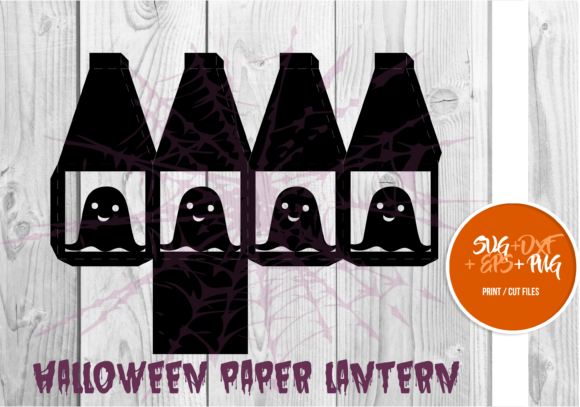
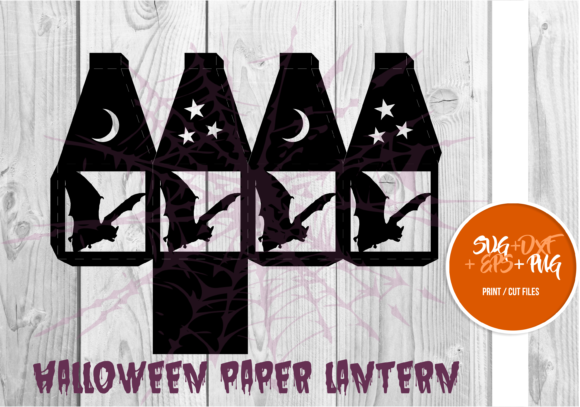
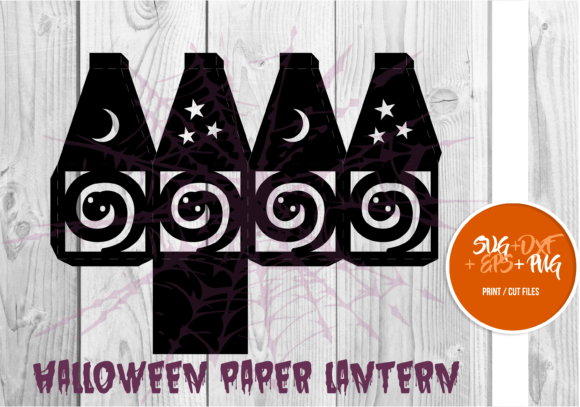
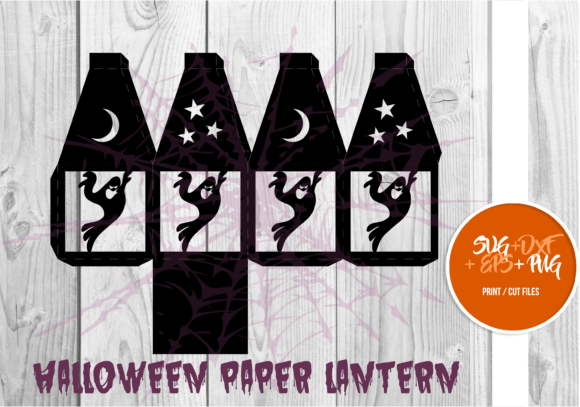
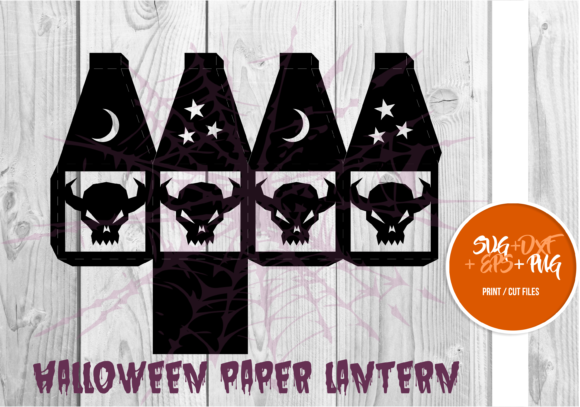
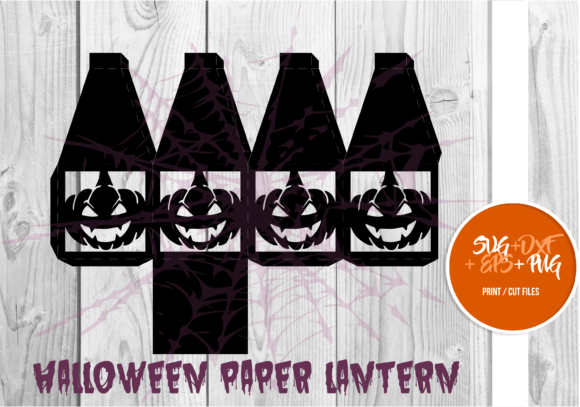
The first impression of Halloween Paper Lantern Series 002 is one of clean, deliberate lines. As a 3D SVG, it possesses a structural clarity that is often missing in hand-drawn raster art. For an embroidery designer, this is a significant advantage. The vector nature of the source file suggests that if you are digitizing this for machine use, you will be working with precise nodes rather than tracing jagged pixels. This matters immensely when creating a machine embroidery design. Clean vectors translate to smoother satin stitch columns and more accurate fill stitch boundaries.
Visually, the lantern shape evokes a sense of nostalgic warmth and structured festivity. It avoids the chaotic clutter sometimes associated with Halloween graphics, making it versatile for both spooky and sophisticated themes. However, because it is designed for paper assembly, the internal cut lines and fold tabs present in the original file must be reimagined for fabric. In a real-life scenario, such as preparing a custom embroidered tote bag for a fall boutique collection, I would treat this shape as a foundational block. The geometric precision allows it to serve as a frame for text or a backdrop for intricate appliqué work, rather than just a standalone icon. Its mood is architectural yet festive, bridging the gap between modern design and traditional holiday embroidery.
Real-World Application: The Custom Sweatshirt Test
To truly evaluate this asset, let us consider a specific production run: a limited-edition line of heavyweight cotton sweatshirts for a small shop product launch. The goal is a high-value handmade product that feels premium, not like a cheap costume shop transfer. Here, Halloween Paper Lantern Series 002 shines due to its scalability. Because the source is vector-based, resizing for a chest placement versus a sleeve accent does not result in distortion.
In this sweatshirt application, I envision using the lantern outline as a guide for a mixed-media technique. The outer edges could utilize a dense satin border to define the shape against the fleece texture, while the interior panels offer space for negative space design or contrasting thread colors. For an Etsy seller or creative entrepreneur, this adaptability increases the perceived value of the finished product. Customers are increasingly savvy; they recognize when a design has been thoughtfully integrated into the garment's construction versus merely slapped on top. Using this structured shape as a design anchor communicates professionalism and brand consistency, which directly influences buyer engagement and trust.
Navigating Fabric Limitations and Technical Constraints
Despite its versatility, Halloween Paper Lantern Series 002 requires careful handling depending on the substrate. Not every fabric welcomes geometric rigidity. When working with stretchy fabrics like jersey knits or performance wear, the sharp angles of the lantern can cause puckering if the stitch density is too high or the stabilization is inadequate. The original paper design assumes a rigid material; fabric moves. Therefore, when adapting this for custom apparel, you must introduce slight curves to the corners during digitization to accommodate fabric stretch without breaking threads.
Furthermore, caution is advised for small hoop sizes and detailed corners. If you attempt to shrink this lantern down for a baby embroidery project or a cap logo, the intricate intersections typical of paper lantern designs may become mud. Tiny lettering or thin connecting lines within the shape might get lost in the nap of a towel or the weave of linen. For tote bag design or kitchen textiles, ensure the line weight is substantial enough to remain visible after washing. Dark fabrics also present a challenge; if the design relies on internal negative space (common in paper cutouts), you may need to add a white underlay or background fill stitch to prevent the dark fabric from swallowing the visual detail. Always verify that your adaptation respects the integrity of the shape while accommodating the physical limitations of the textile.
Enhancing Product Value and Brand Recognition
Beyond technical execution, the strategic use of Halloween Paper Lantern Series 002 impacts business metrics. For digital product sellers and commercial embroidery businesses, consistency is key to building a recognizable brand. This series offers a cohesive visual language that can be applied across multiple SKUs—from embroidered patches to nursery decor pillow covers. When customers see that same distinct lantern silhouette on a tea towel, a baby blanket, and a printable mockup, it reinforces brand identity.
The "lovely addition to Holiday decor" mentioned in the product description translates well to giftability. Items featuring this design feel curated rather than generic. For makers selling at craft fairs, having a signature shape helps products stand out in a crowded booth. It signals that you are using curated design assets rather than grabbing free clipart. This elevates the item from a simple craft to a piece of intentional design, justifying higher price points and fostering customer loyalty. Whether used for a personalized gift or a boutique branding element, the structured elegance of this lantern supports a narrative of quality craftsmanship.
Critical Notes for the Professional Maker
Before integrating Halloween Paper Lantern Series 002 into your next embroidery project, adhere to these practical protocols to ensure success:
- Verify Licensing and Usage: Since this is originally a paper craft download, confirm explicitly whether the license permits commercial embroidery adaptation or derivative digital files. Do not assume rights transfer across mediums.
- Test on Scrap Fabric First: Never run a new adaptation directly on a final product. Test stitch density and stabilizer choices on a swatch that matches your production fabric weight and texture.
- Check Thread Color Contrast: Review the design in black and white mockups before stitching. Ensure the lantern’s form reads clearly without relying solely on color differentiation, especially for tone-on-tone embroidery.
- Inspect Small Details: If resizing, manually check corner points and tight spaces. What works as a paper cut line may be too narrow for a needle. Adjust minimum stitch lengths to prevent thread breaks.
- Stabilizer Selection is Non-Negotiable: Match your stabilizer to the fabric, not just the design. Geometric shapes show distortion instantly; use adequate backing to maintain crisp lines.
- Confirm Hoop Size Compatibility: Ensure your adapted design fits comfortably within your hoop with adequate margin for tension. Overstretching to fit a design ruins registration.
- Evaluate Washability: If creating items requiring frequent laundering, avoid long floating stitches or overly dense satin borders that might trap moisture or fray over time.
By treating Halloween Paper Lantern Series 002 as a structural blueprint rather than a static image, designers can unlock its full potential. It serves as a sophisticated foundation for holiday collections, provided the transition from paper logic to textile reality is managed with technical precision and creative foresight. Always prioritize the tactile outcome over the digital preview to deliver products that delight clients and withstand the test of seasonal use.