Autumn Vine Lantern 3D: An Embroidery Review
As a professional designer who constantly bridges the gap between digital assets and tangible textiles, I approach every new file with a specific question: will this actually stitch out beautifully, or is it just a pretty screen image? When evaluating the Autumn Vine Lantern 3D, my perspective shifts from simple admiration to technical scrutiny. While this asset is marketed primarily as a papercut SVG for cutting machines, its intricate geometry and layered aesthetic offer profound inspiration for machine embroidery designers looking to create dimensional, high-value handmade products. The transition from a 2D digital embroidery file to a textured, tactile finished product requires understanding how light, shadow, and thread interact, and this lantern design serves as an excellent case study in adapting complex shapes for fabric.
Translating Papercut Aesthetics to Stitch
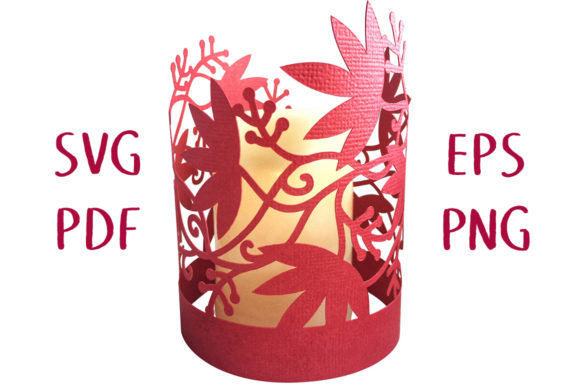
The first impression of the Autumn Vine Lantern 3D is one of delicate complexity. It evokes a cozy, nostalgic mood perfect for fall collections, but as an embroiderer, I immediately see challenges and opportunities. In papercraft, depth is achieved through physical layers of cardstock. In embroidery, we must simulate this depth using stitch density and thread colors. The organic curves of the vine elements suggest a need for smooth satin stitch borders to define the "cuts," while the lantern body itself could utilize varied fill stitch patterns to mimic the translucency of paper or glass.
For my current client project—a line of premium autumn tote bags for a local boutique—I needed a design that felt architectural yet soft. The Autumn Vine Lantern 3D provides that structural integrity. However, because this originates as a 3D SVG template, the lines are optimized for blades, not needles. Adapting this for a tote bag design means rethinking the negative space. Where a laser cutter removes material, an embroidery machine must either cover it with dense stitching or use it as intentional negative space against the fabric texture. This distinction is critical for maintaining the visual personality of the original design without creating a bulletproof patch that distorts the bag’s drape.
Real-World Application: The Custom Tote Test
In preparing this design for the custom apparel and accessory market, I focused on how the lantern would read from a distance versus up close. For a sweatshirt embroidery project or a large tote, the overall silhouette of the Autumn Vine Lantern 3D holds up beautifully. The intertwining vines create natural movement that guides the eye, which is essential for buyer engagement on Etsy listings or craft fair tables. Customers are drawn to designs that look handcrafted and intentional rather than generic clip art.
However, when considering smaller applications like baby embroidery or cap designs, caution is necessary. The intricate internal details of the lantern, which work perfectly in paper, may become muddy if scaled down too aggressively for a 4x4 hoop size. In my test run on a canvas tote, I found that simplifying the innermost vine tendrils into running stitch accents rather than full satin columns preserved the elegance without risking thread breaks or fabric puckering. This adaptation ensures the finished product remains soft to the touch, a key selling point for personalized gifts and nursery decor where comfort matters as much as aesthetics.
Navigating Fabric Limitations and Stabilizer Choices
Not every substrate is friendly to the detailed nature of the Autumn Vine Lantern 3D. As experienced makers know, the success of a commercial embroidery project often hinges on stabilizer selection over digitizing perfection. Because this design features significant open areas alongside potentially dense border stitching, stretchy fabrics like jersey knits require aggressive stabilization to prevent distortion. If you are planning holiday embroidery on lightweight t-shirts, I strongly recommend testing on scrap fabric first. The weight of the thread can drag thin material down, causing the lantern shape to warp.
Conversely, textured fabrics like linen or burlap complement the rustic theme of this design but pose their own risks. The rough surface can swallow fine running stitch details. When working with these materials for tea towels or pillow covers, consider increasing the stitch length slightly or using a heavier thread weight to ensure the Autumn Vine Lantern 3D remains legible. Dark fabrics also demand attention; while the design relies on shadow in its paper form, dark embroidery threads on dark fabric will disappear. High contrast thread colors or metallic accents are often required to replicate the intended 3D effect visually.
Commercial Viability for Small Business Owners
For Etsy sellers and small shop owners, the versatility of the Autumn Vine Lantern 3D extends beyond direct stitching. As a digital product seller, you can leverage this file to create stunning printable mockups. Showing customers how the lantern concept translates across different mediums—from vinyl decals to embroidered patches—builds brand consistency and trust. Buyers appreciate seeing a cohesive collection where the same motif appears in various formats.
From a licensing and commercial use standpoint, always verify the specific terms attached to your download. Just because a file is labeled as a 3D SVG cut file does not automatically grant rights to digitize and sell it as a machine embroidery design. Respecting intellectual property is paramount for maintaining professionalism in the craft business community. Assuming the usage rights allow for derivative works, this design has strong potential for seasonal merchandise. Its timeless vine motif allows it to transition from specific Halloween decor to general autumn ambiance, extending the sales window for your handmade products.
Designer Notes for Successful Execution
Before loading the Autumn Vine Lantern 3D into your software or machine, take these practical steps to ensure professional results:
- Verify File Compatibility: Since this is supplied as a zipped digital download for cutting machines, confirm you have the correct source file to trace or convert into an embroidery file format compatible with your machine.
- Test Stitch Density: Create a swatch to check if the simulated 3D layers cause excessive bulk. You may need to reduce underlay stitches in overlapping vine sections.
- Evaluate Scale: Determine the minimum viable size. Intricate corners in the lantern frame may require manual adjustment if resizing below the recommended dimensions.
- Mockup in Black and White: Strip away color to judge value contrast. If the design looks flat in grayscale, adjust your thread palette to reintroduce depth.
- Check Washability: If intended for kitchen towels or baby items, ensure all applique design elements are securely anchored with adequate tack-down stitches to survive frequent laundering.
Ultimately, the Autumn Vine Lantern 3D represents a beautiful intersection of digital crafting and traditional needlework. By treating it not just as a cut file but as a blueprint for textile art, makers can elevate their inventory with unique, seasonally relevant pieces. Whether you are creating a bespoke embroidered patch for a denim jacket or a series of holiday gift tags, approaching this design with technical mindfulness ensures the final result honors both the original artistry and the integrity of your embroidery craftsmanship.